Estado post-trauma
Perla Mata Chairez
April 25 to July 5, 2026
The landscape of Torreón is marked by Cerro Negro: a mound formed, for over a hundred years, from the waste of one of the country’s largest metallurgical complexes. Its presence has become an identifying—even familiar—feature of the city. Yet one question persists: what do we do with what we inherit from industry?
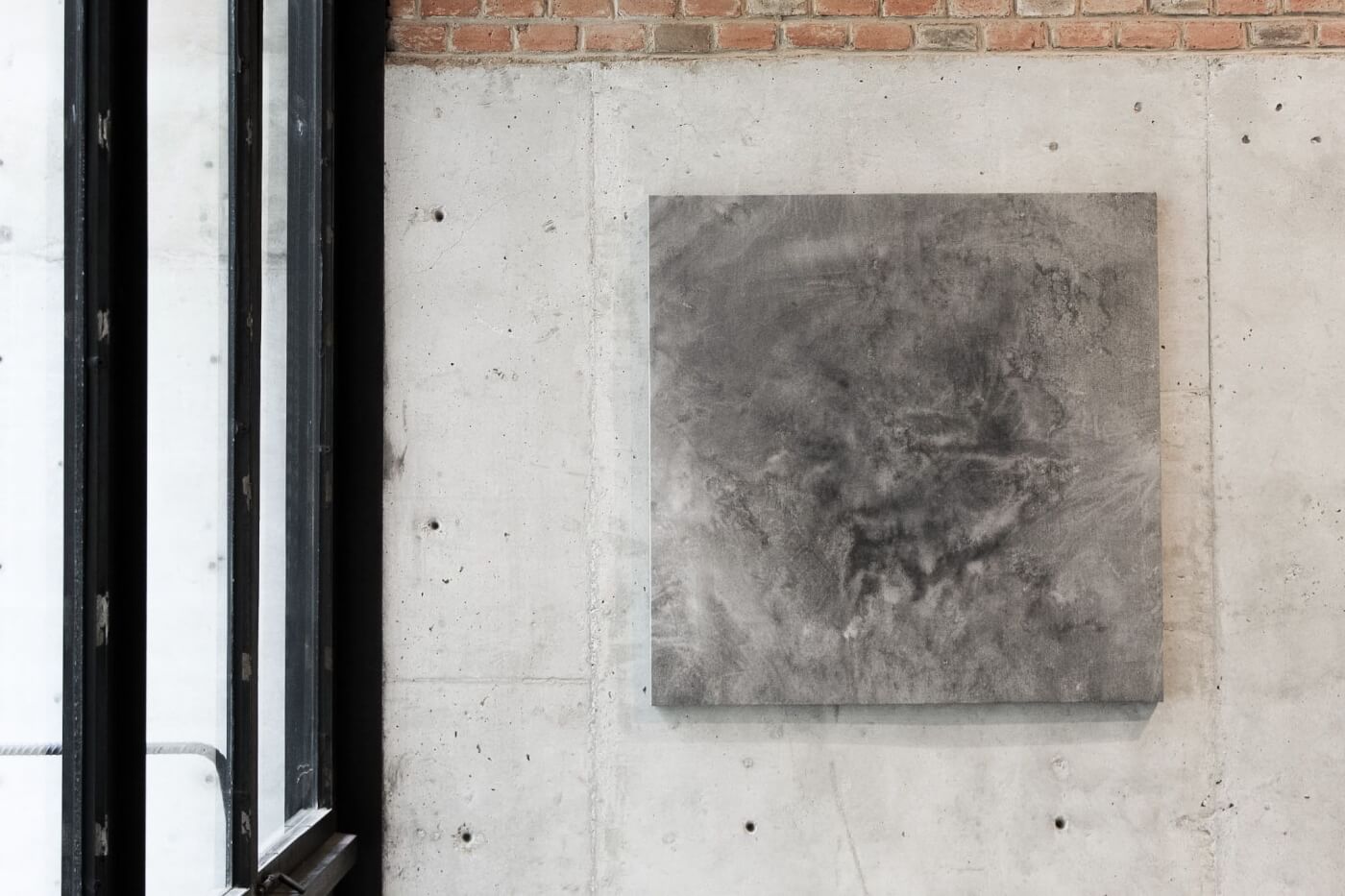
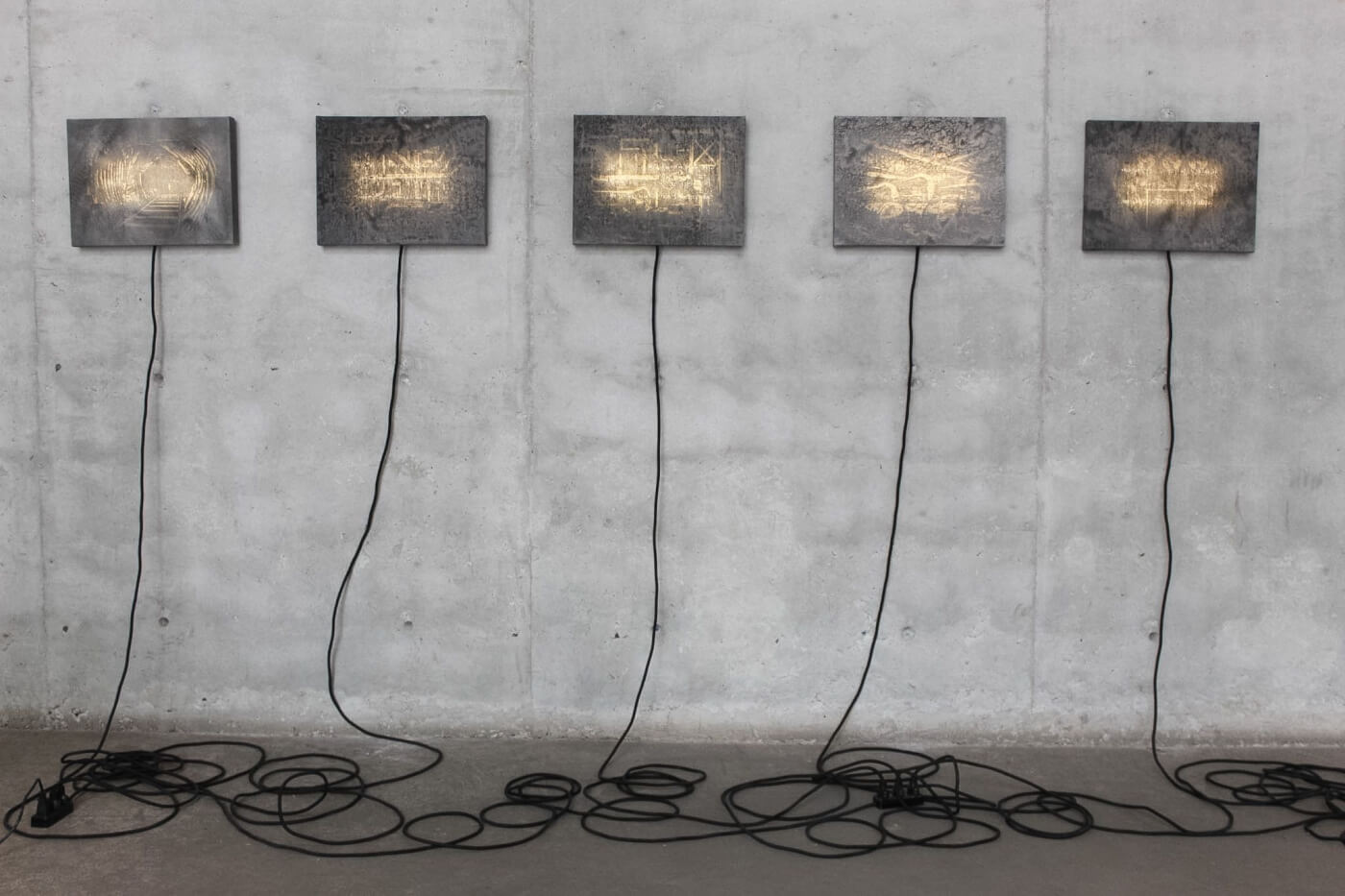
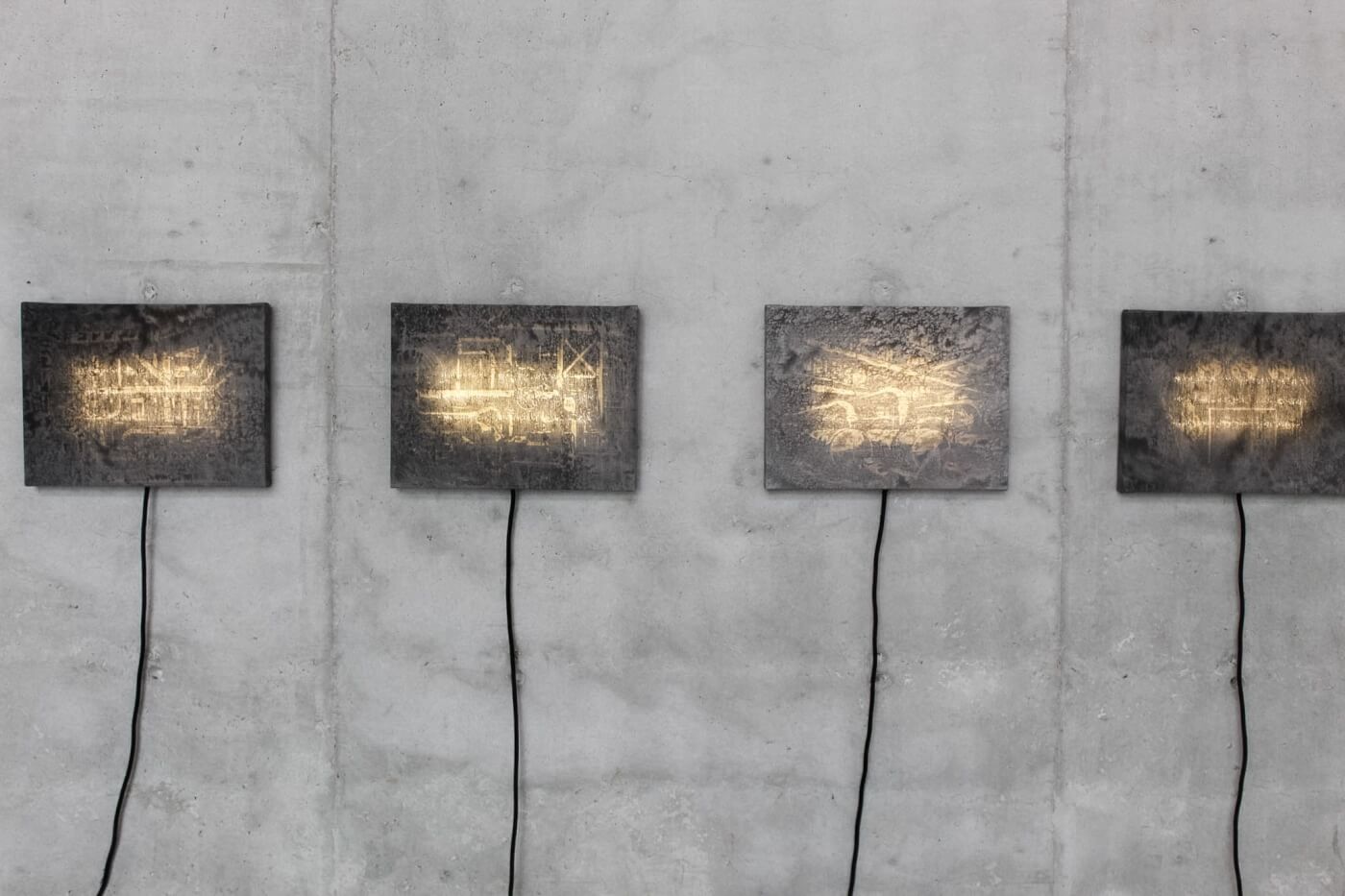
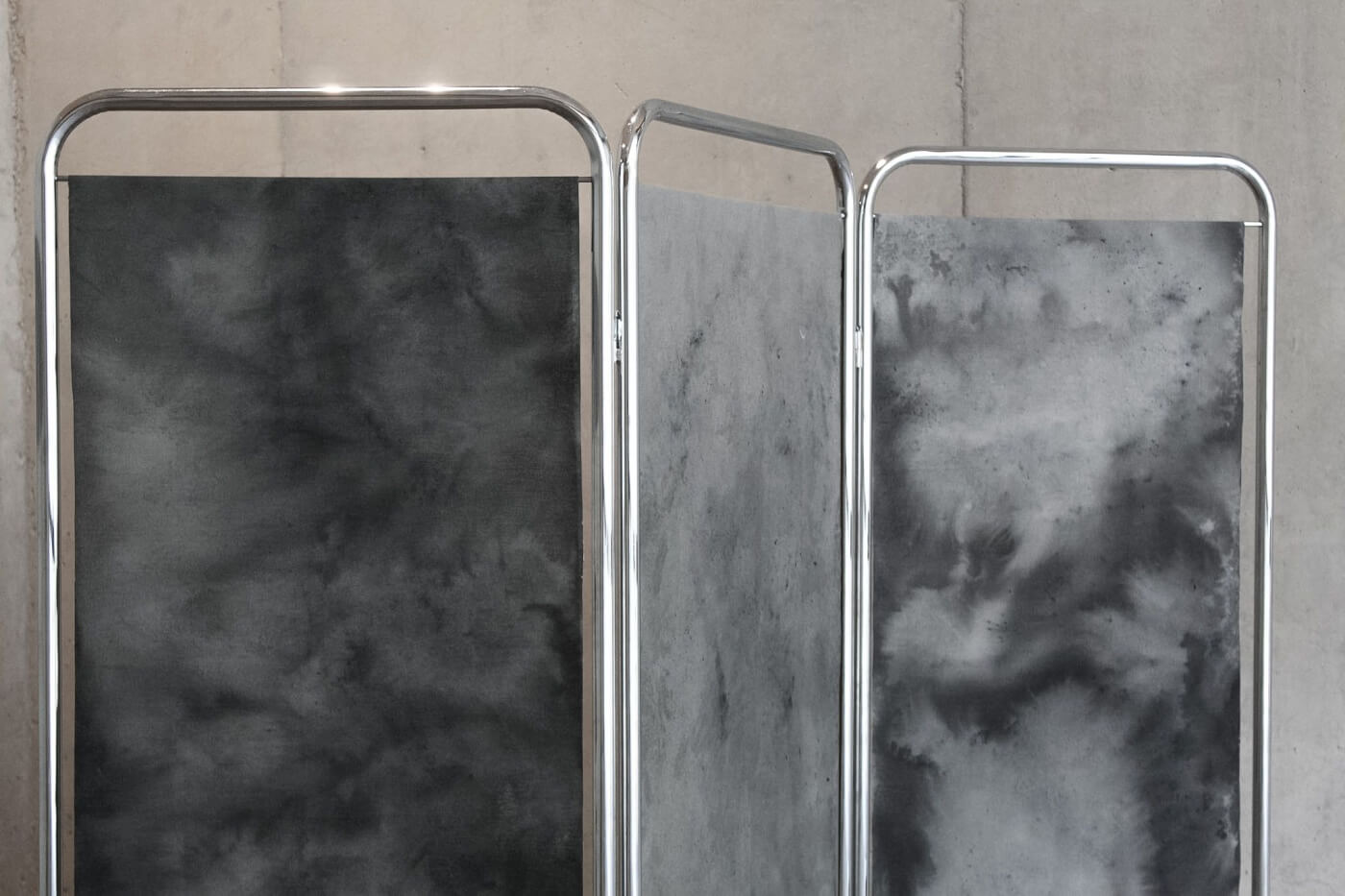
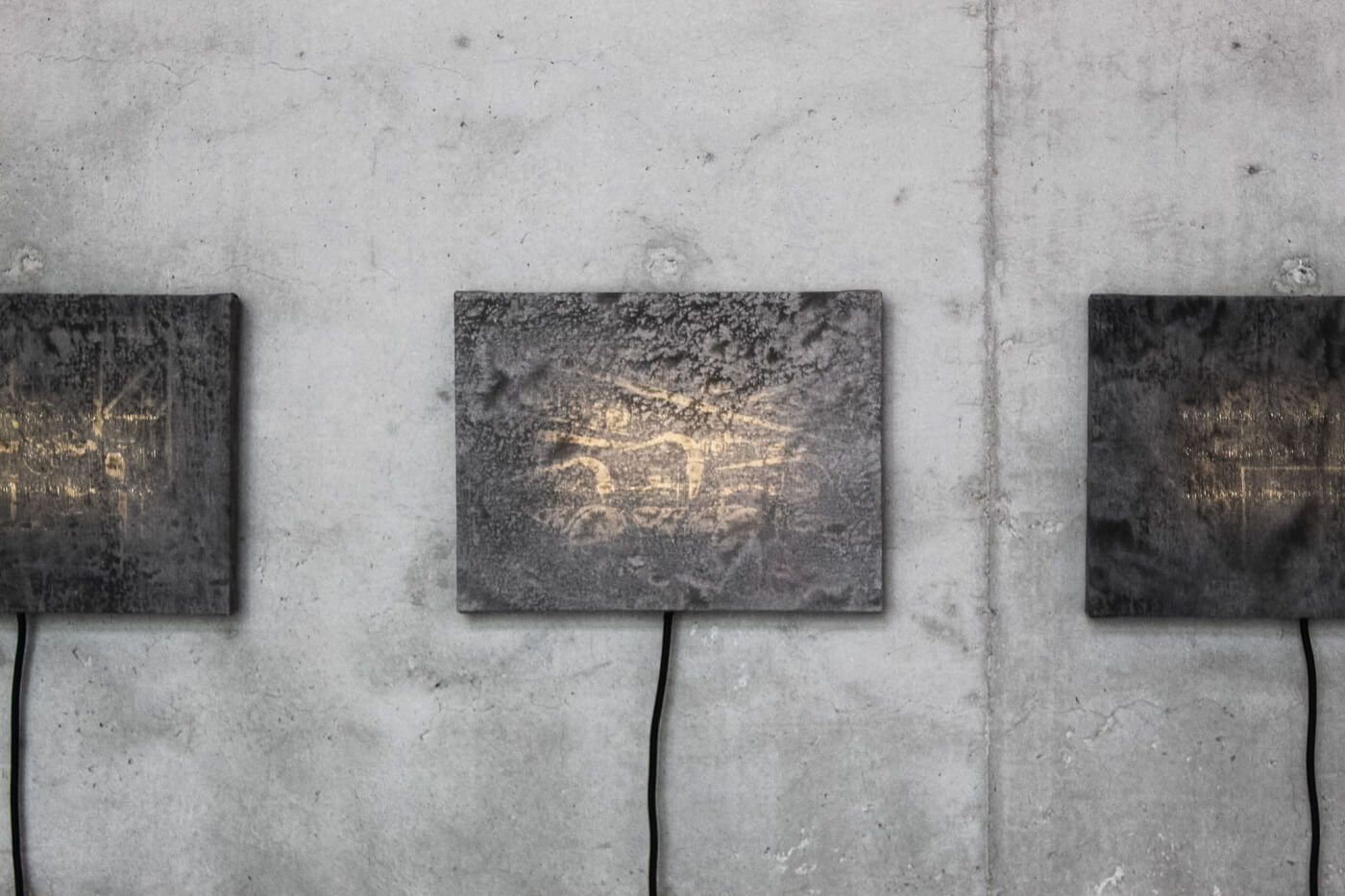
This hill is enclosed by the walls of the complex. However, its material escapes: it appears in the dust that invades neighboring homes, in the streets, in the air that is breathed. Perla Mata Chairez has, for years, collected, analyzed, and worked with these sediments—primarily zinc, iron, and silica—that evade industrial control. Through them, she has explored the pictorial possibilities of residue, understanding painting as a territory of material interactions and reactions.
This approach has allowed her to delve into the theories of “panmetalism” by Gilles Deleuze and Félix Guattari: metals are everywhere and contain a vitality that inhabits the everyday—in water, in plants, in the salts and minerals that pass through bodies. In Mata’s works, metals reveal not only their hidden vitality but also the trauma or wound that industry inflicts on rocks: the disarticulation required to extract a mineral and discard the rest. A trauma that occurs when stone is broken, but also—and above all—when it is discarded. What kind of life do these metals have once abandoned?
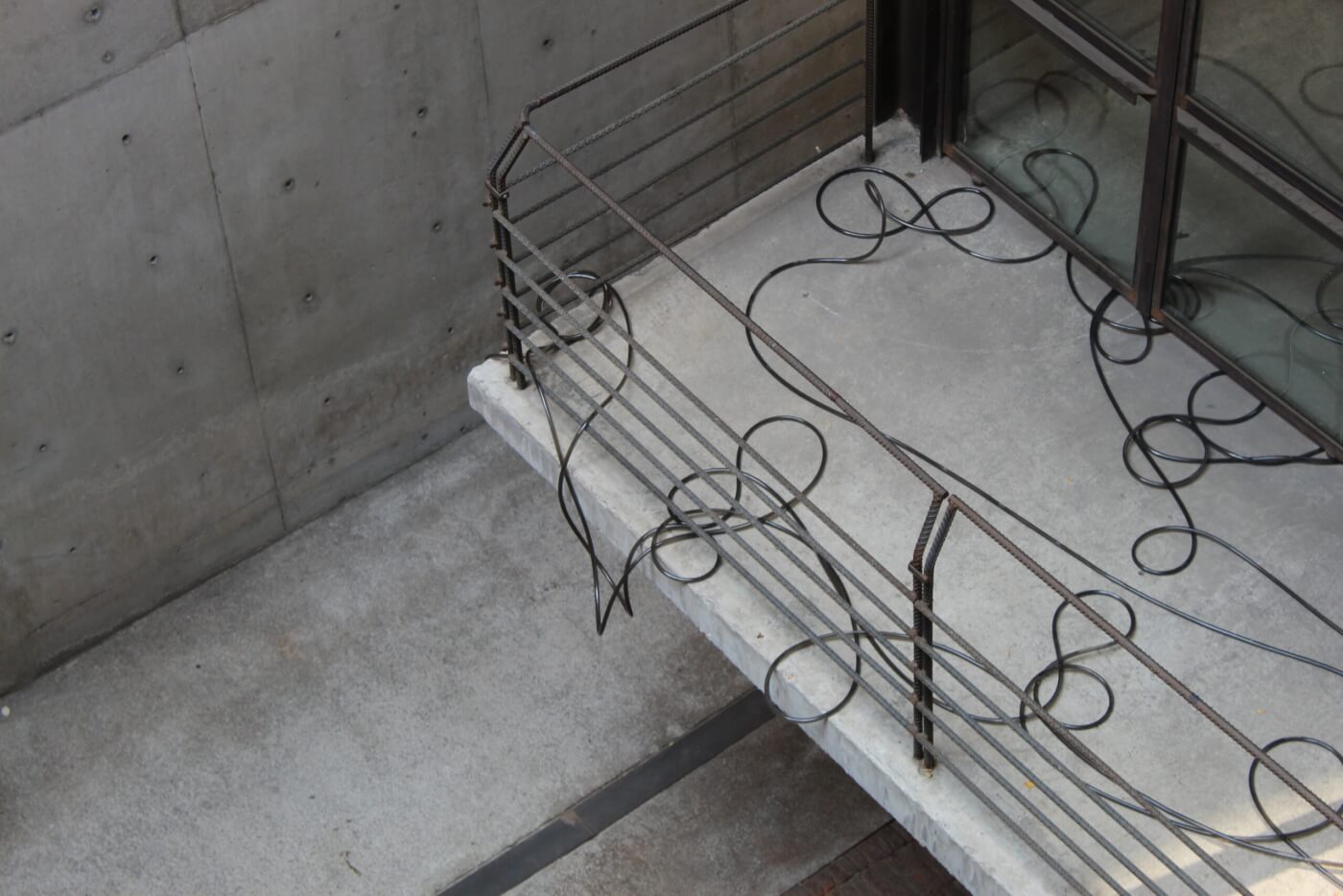
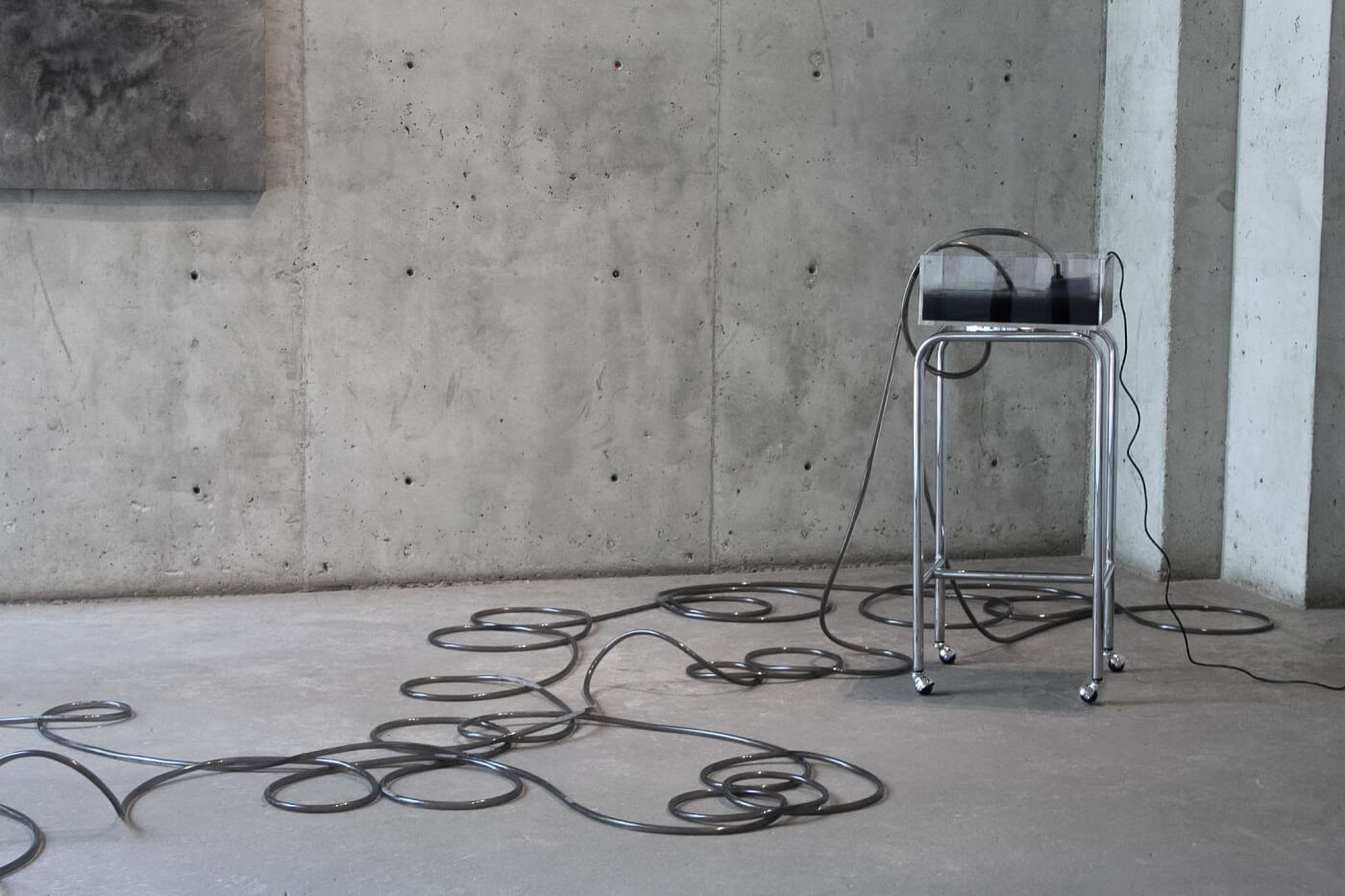
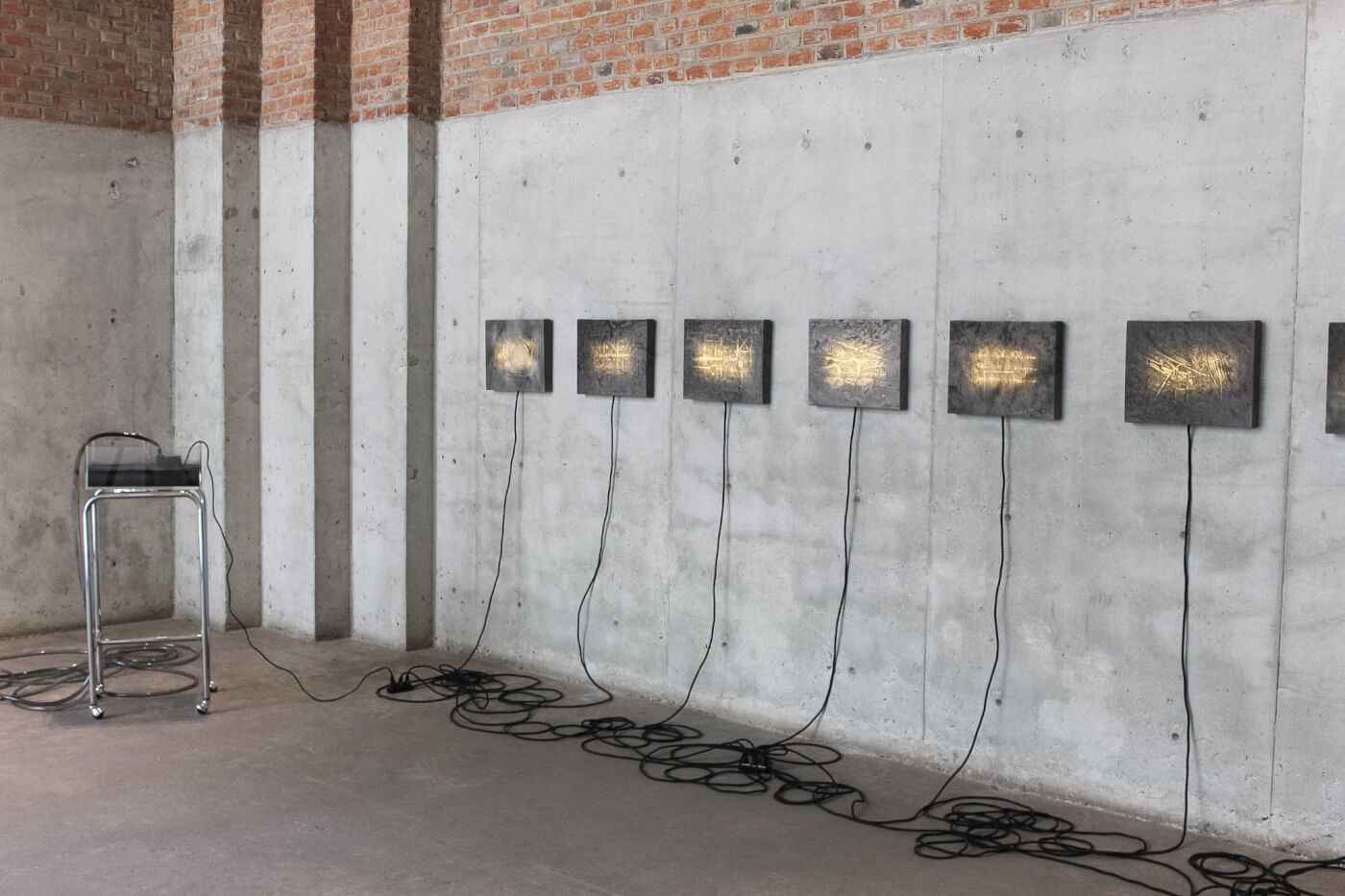
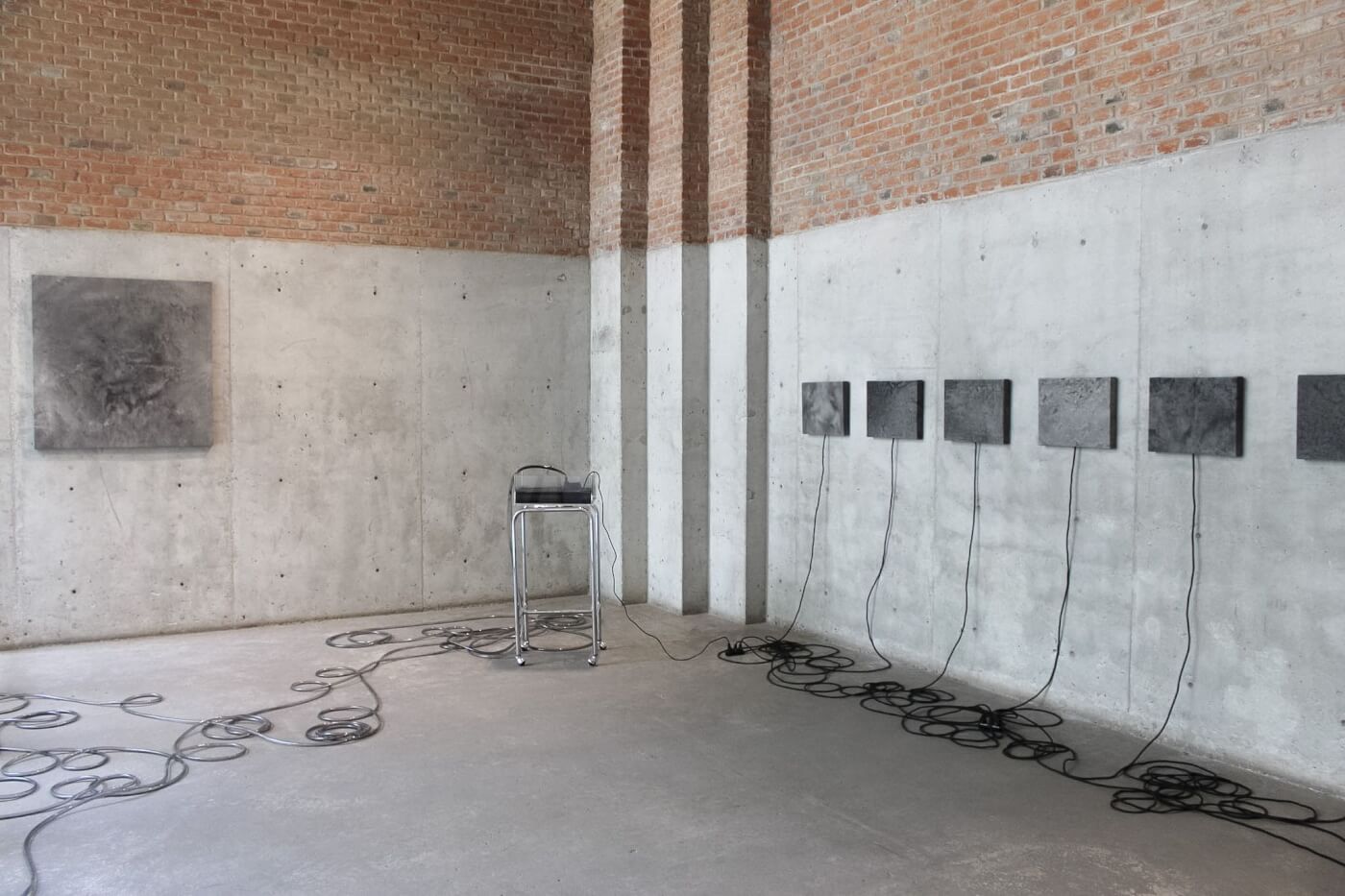
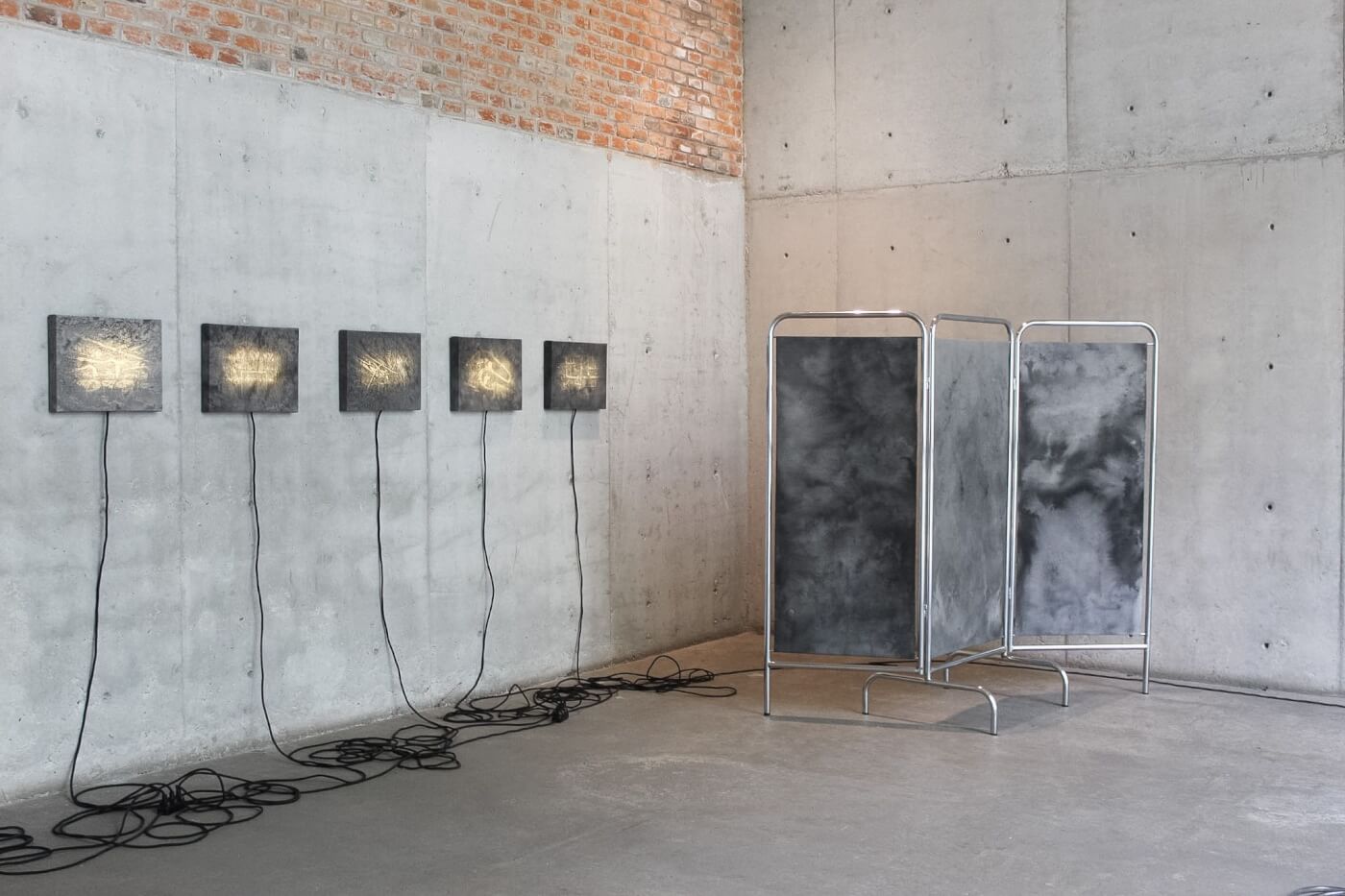
Drawing an analogy between medical and metallurgical processes, Post-Trauma State presents a series of paintings and an installation that shed light on the opacity of the metallurgical industry, inviting us to rethink the life of metals beyond waste.
Andrea Bustillos Duhart
Curator