Arriba cantará el río
Valentina Guerrero Marin
October 3 – January 3
Through research and speculative thought, Valentina Guerrero Marin questions hegemonic conceptions of nature and landscape. Using diverse media and materials, her work investigates atmospheric phenomena—imbued with historical, social, and political narratives—that are linked to personal experiences. The result is a practice that moves between the scientific, the ecological, and the imaginative.
Observing the sky has been a constant in the artist’s life, ranging from childhood family stargazing trips—an experience that taught her how to situate herself in the world, both geographically and politically—to the analysis of ecological disputes playing out in airspace, for which clouds serve as a particularly significant example. These water formations have long been objects of the imagination and sources of speculation and omens, yet they also serve as the stage for debates shaped by the Capitalocene. Examples include atomic clouds, clouds created to suppress forest fires, and those produced by chemical explosions.
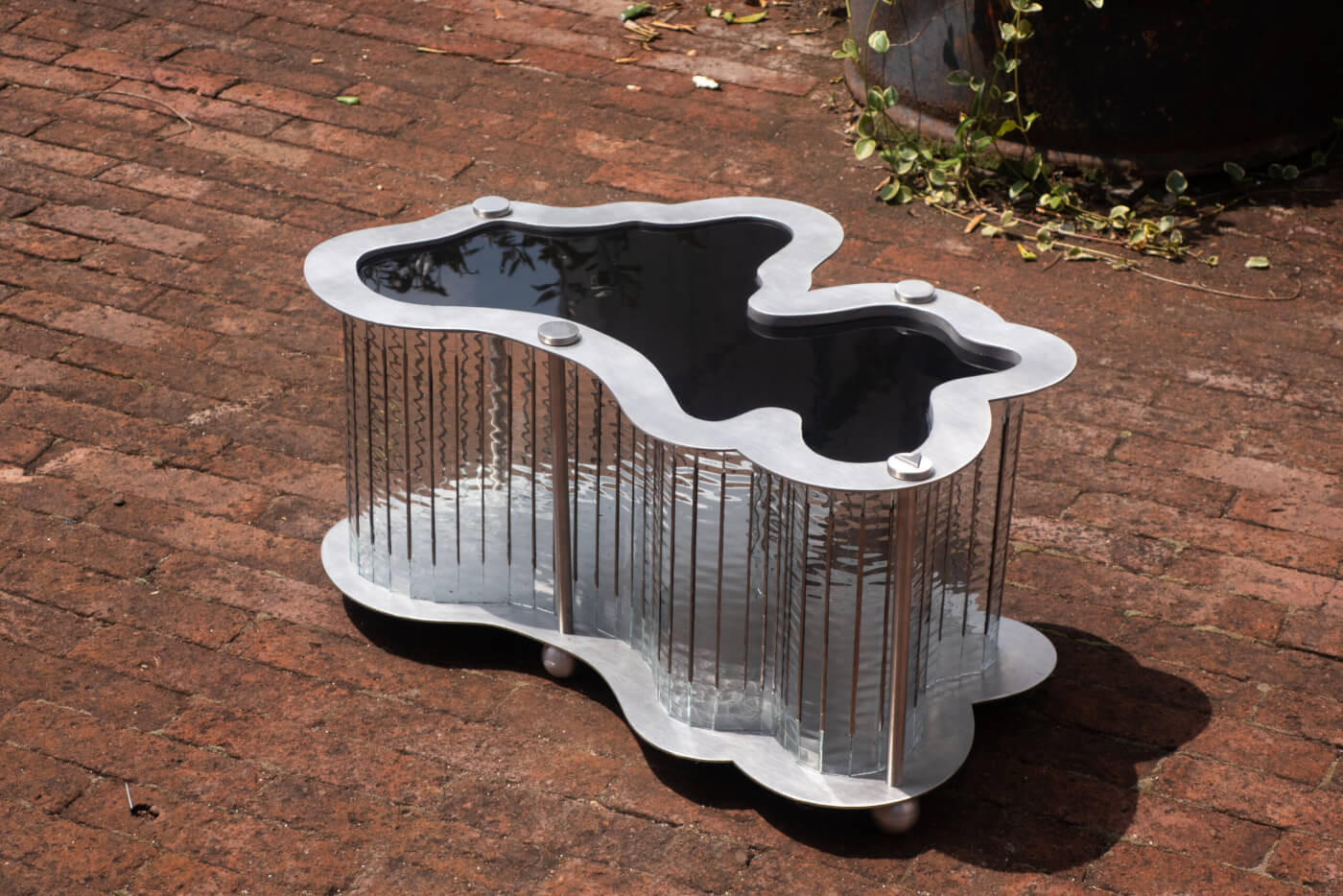
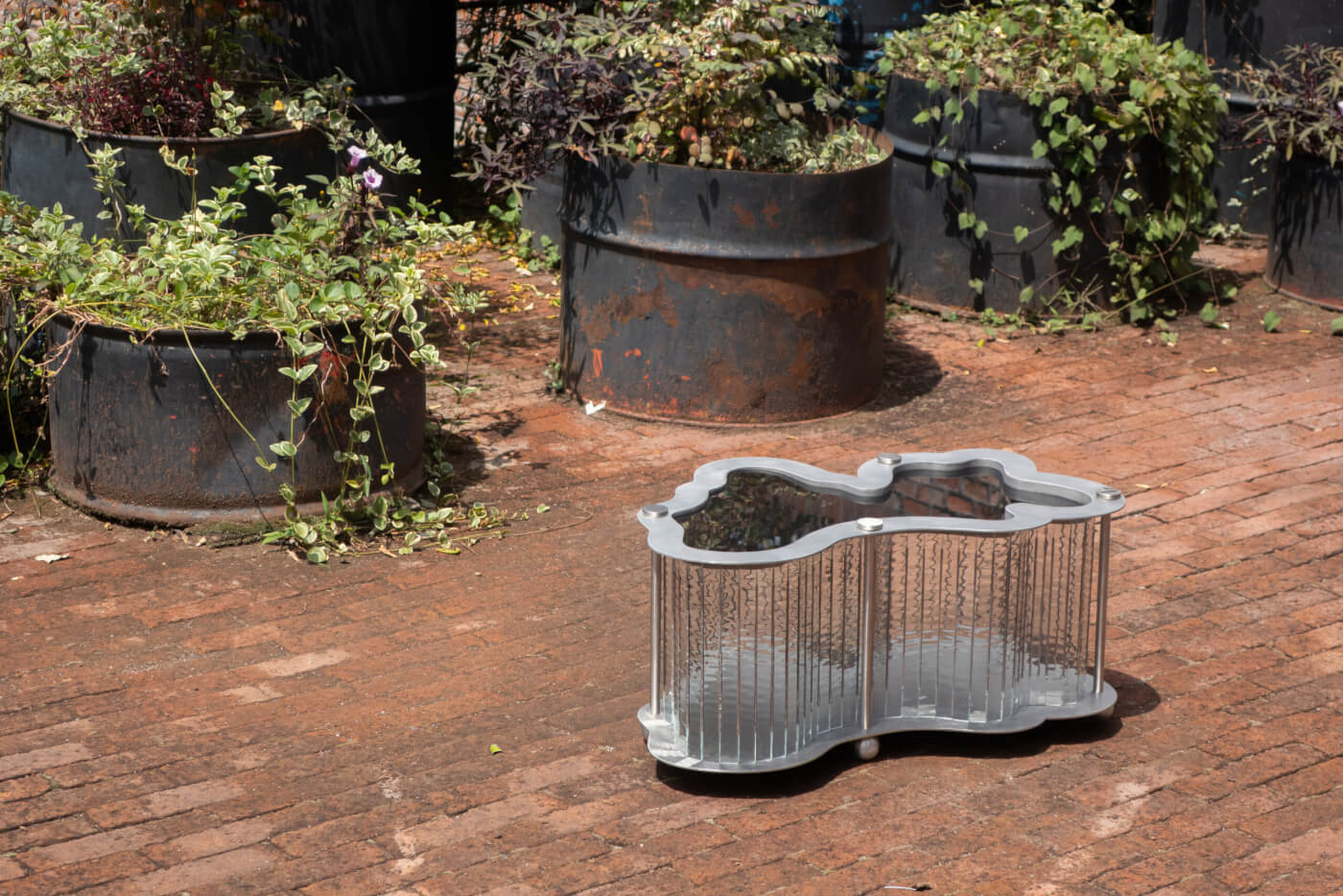
Arriba cantará el río presents a series of works conceived at the intersection of the artist’s long-term research and a more intimate, everyday experience: observing the reflection of clouds in the countless puddles of Mexico City. The dark waters reflecting the sky are both a symptom and a harbinger of the climate crisis we face, yet they also reveal a poetic possibility of life—one we must not stop looking at or feeling.
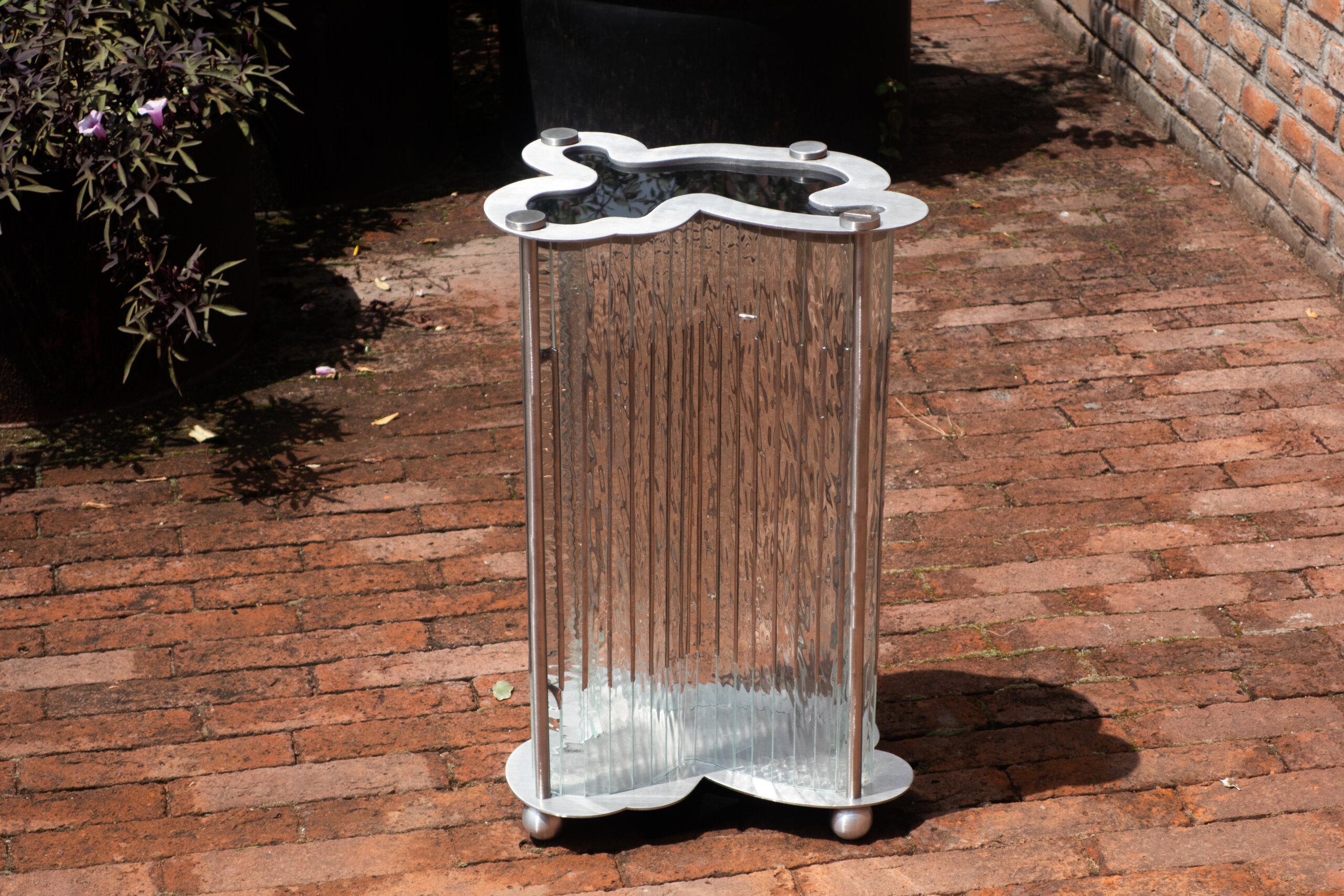
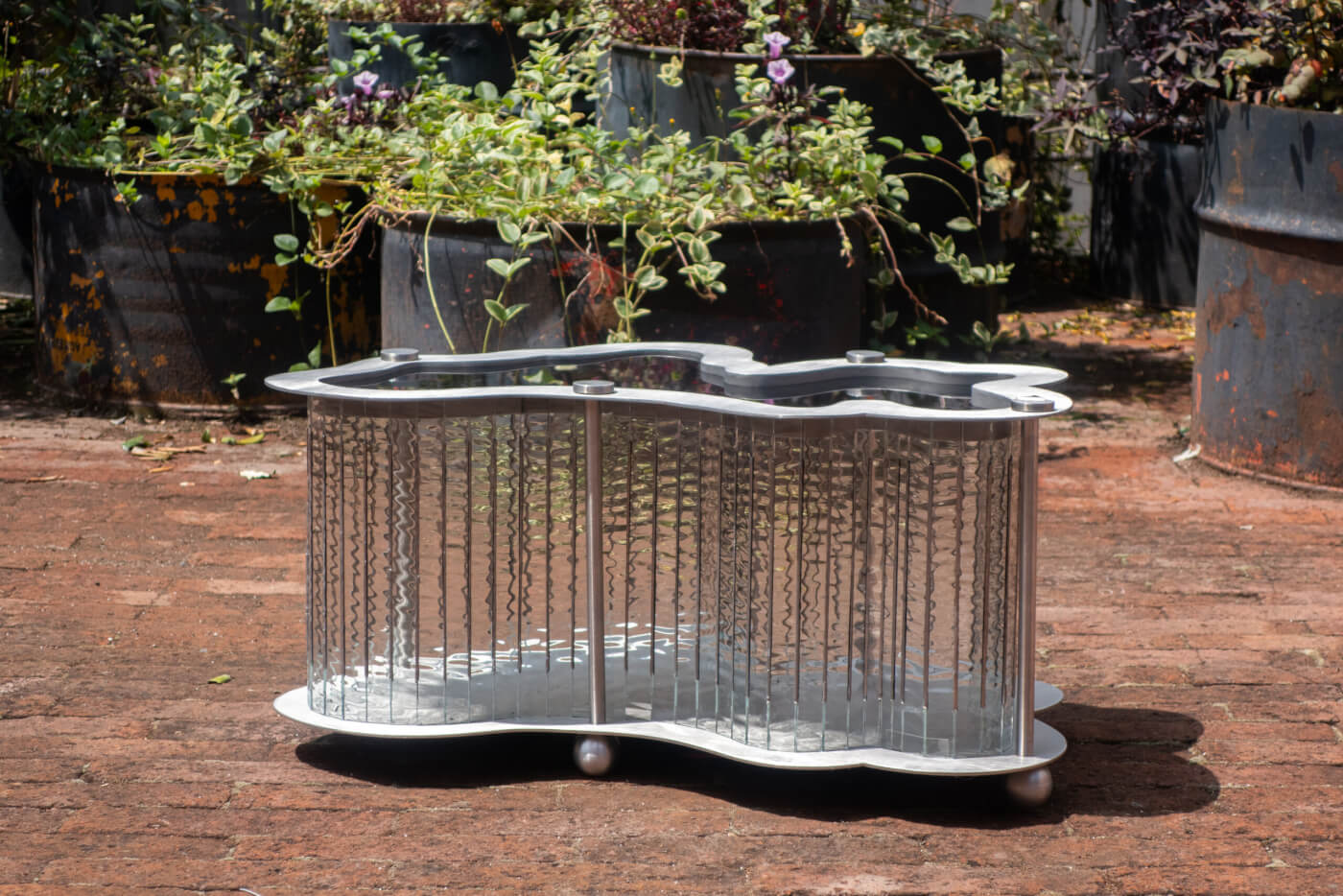
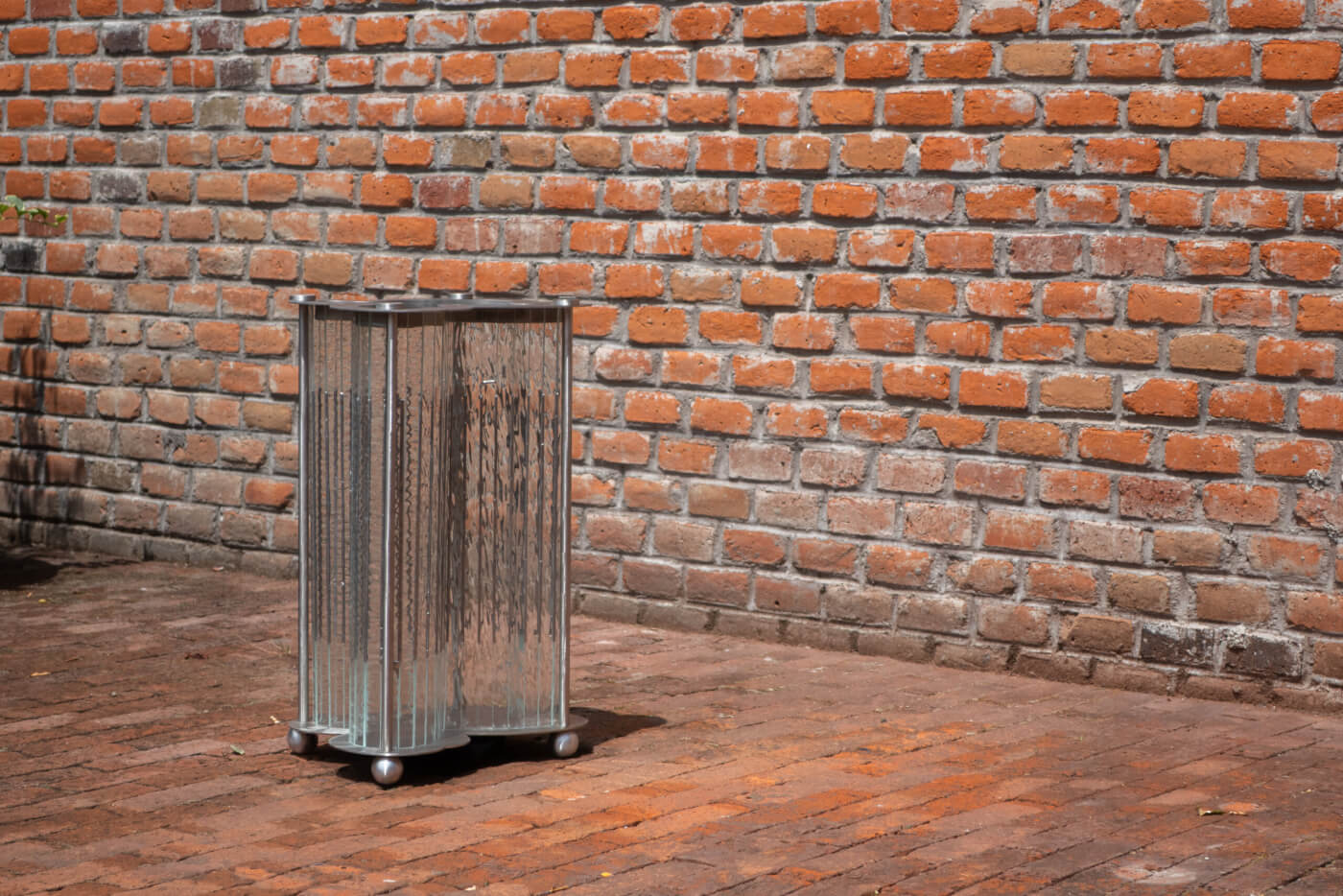
In the exhibition, this inquiry unfolds through various ways of making perceptible that which, like clouds, is essentially shifting and elusive. A series of sculptures evokes the shadows cast by clouds that once passed overhead; their liquid, reflective surfaces, in turn, draw the gaze back toward the sky. Joining them is a sound piece that extends this exploration into another possible materiality and poses a speculative question: what does a cloud sound like?
Andrea Bustillos Duhart