United States
Paducah, 1984
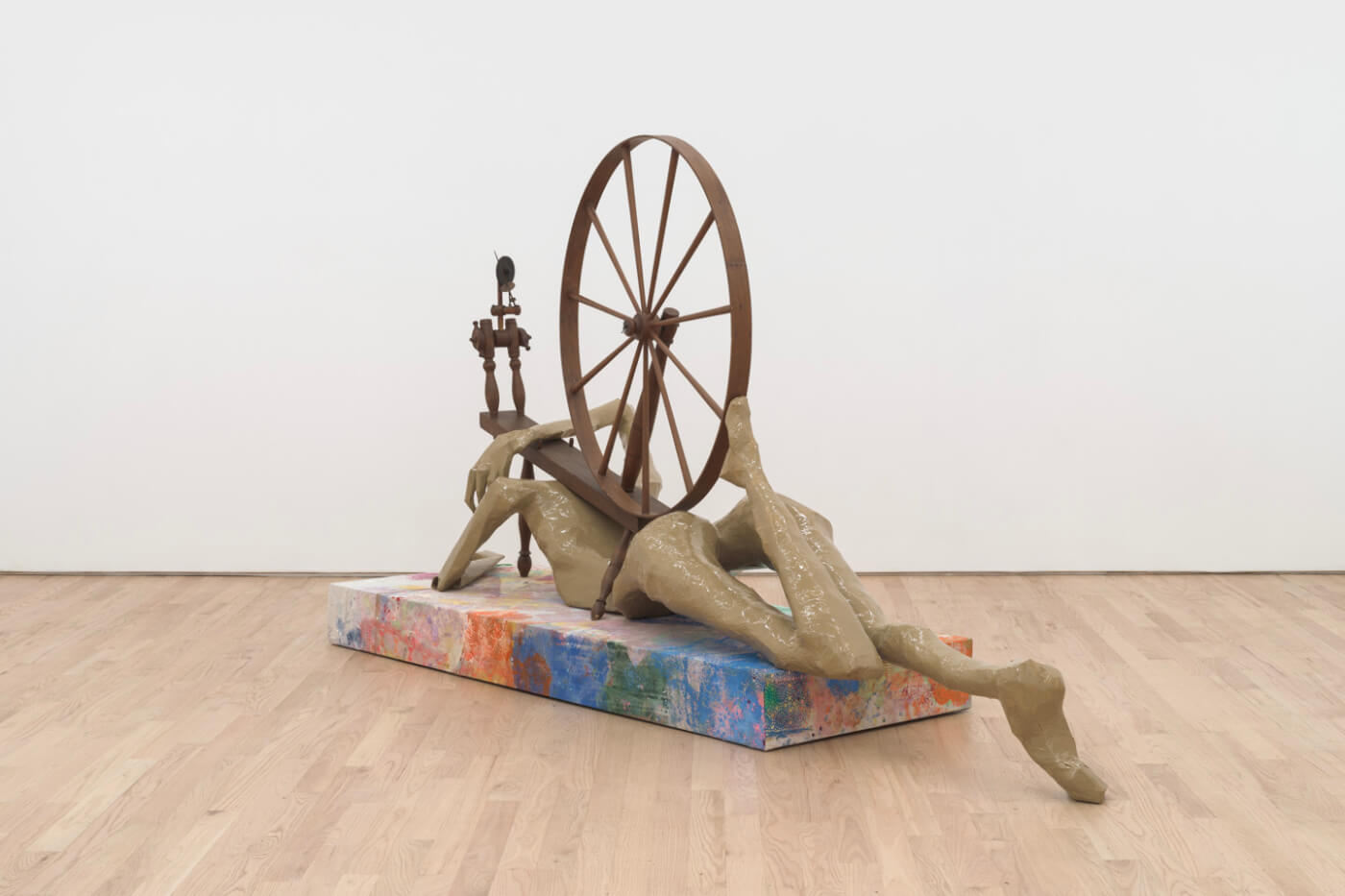
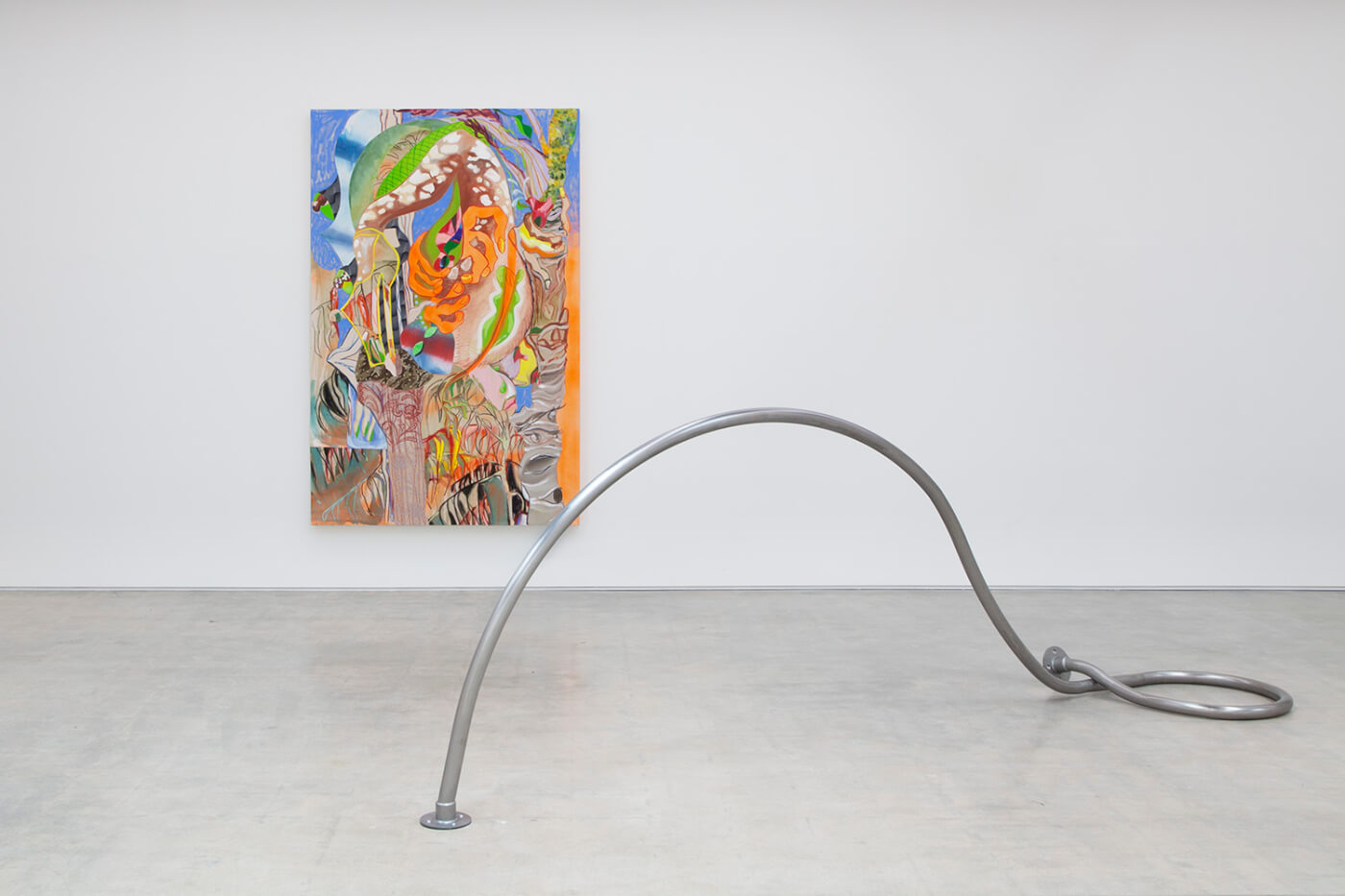
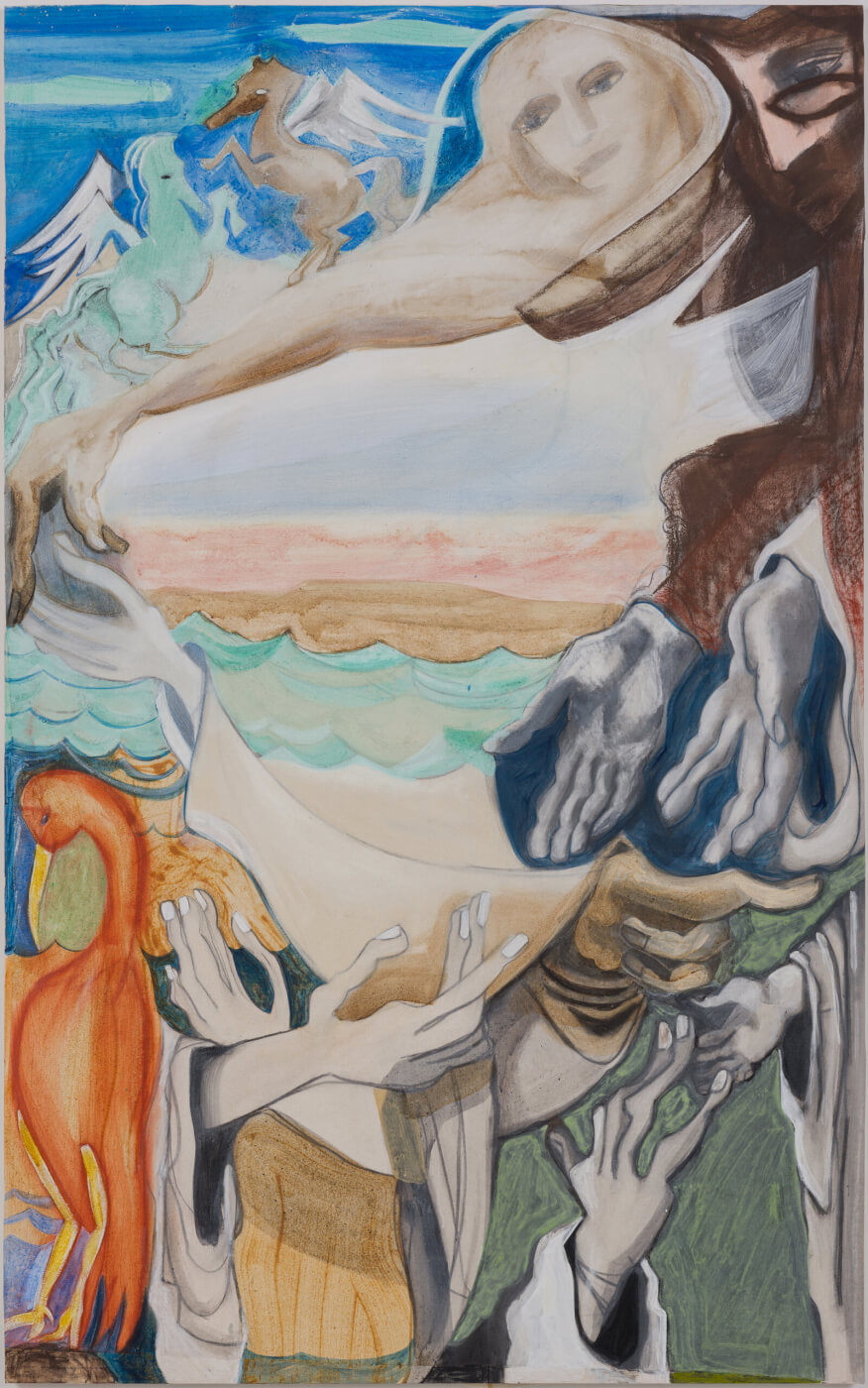
The work of Chelsea Culprit reinvents subjects and techniques of historical painting, recoding the symbols of power toward an expanded social imaginary. While grounding the practice in painting, the artist works with various mediums including neon light, fabric, sculpture, assemblage, and installation. Through an exploration of relics, ancient artifacts, and the evolution of iconologies, the artist uses confrontation with the unknown as point of departure for the imagination. Navigating this terrain with an ethos of improvisation and material and technical exploration, the artist centers intuitive methodologies for the creation and reception of meaning. Referents move freely between the pictorial imagery of folk art and the materiality of the real world, and modes of abstraction and symbolism. Composed of feelings as much as descriptions and drawing from
histories of labor, dance, craft, folk spirituality, and personal ancestry, Culprit entangles representations of the body’s capacity for work, play, display, expression, the performed authenticity of identity, and the intractability of freedom and personal bondage.
Culprit finds the painted subject in characters who express raucous freedom. These figures respond to the desire to live in a society where such freedoms could be possible. They exist after or outside of a male gaze and are sited in spaces where those expressions are possible; the nightclub, the garden, the forest. These bodies are rendered with hard edges, but also morph into one another, into plants, into abstract color fields, into objects on the kitchen table—they are the laborers and high priestesses of the artist’s life, and embody myths of becoming. They are fantasies and reimagined archetypes of the present, that lead from possible pasts, into possible futures.